
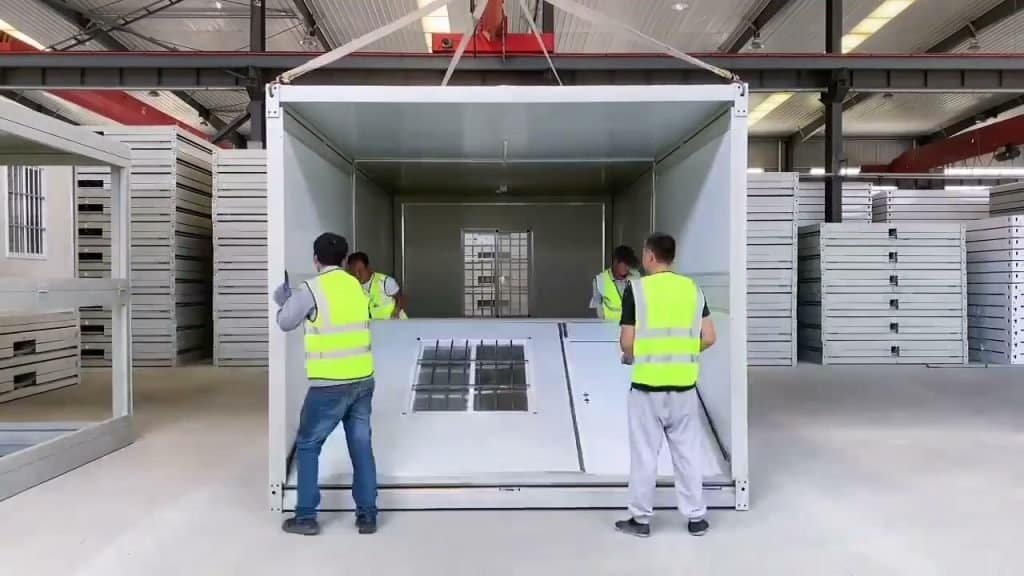
Folding container houses offer a unique blend of flexibility and convenience, making them a popular choice for temporary housing, offices, and even permanent residences in some cases. These innovative structures are designed to be deployed rapidly, providing a fully functional space in record time. This guide will walk you through the steps to properly set up a folding container house from site preparation to utility setup.
Table of Contents
Overview of Folding Container Houses
Folding container houses are pre-manufactured structures that can be easily transported and quickly unfolded on-site. They are known for their robustness, modularity, and the ability to be folded back for relocation or storage. These houses come equipped with essential fixtures and fittings, making them ready for immediate use once assembled.
Site Preparation: Leveling and Groundwork
Proper site preparation is crucial for the successful setup of a folding container house:
- Choose the Right Location: Select a site that is accessible, free from flooding, and suitable for residential or commercial use based on local zoning laws.
- Clear the Area: Remove debris, vegetation, and other obstructions to create a clean and flat surface.
- Level the Ground: Use leveling tools to ensure the site is perfectly horizontal. This step is vital to prevent structural issues post-assembly.
- Lay a Foundation: Depending on the permanence of the structure, lay a gravel bed, concrete slab, or use ground anchors to secure the container house.
Unfolding and Stabilizing the Structure
Unfolding a container house is straightforward but requires precision:
- Positioning: Place the folded container on the prepared site with the help of a crane or forklift.
- Unfolding Process: Carefully unfold the structure according to the manufacturer’s instructions. This usually involves pulling the side walls and roof into place.
- Locking Mechanisms: Secure all locking mechanisms to stabilize the structure. Check all joints and connections for security.
- Seal the Edges: Apply sealants along the edges where different sections of the house meet to ensure it is weather-tight.
Utilities and Amenities Setup
To make the folding container house livable, setting up utilities is essential:
- Electrical Connections: Install electrical wiring, outlets, and safety devices. Connect to an external power source or integrate solar panels for off-grid living.
- Plumbing Installation: Set up the plumbing system, including water supply and waste lines. Connect these to the local sewage system or a septic tank if required.
- Heating and Cooling: Install heating and air conditioning units to maintain comfortable indoor temperatures. Consider energy-efficient models to reduce utility costs.
- Interior Fixtures: Assemble and install interior fixtures such as lights, cabinets, and appliances. Ensure that everything is properly aligned and securely fastened.
Conclusion
Setting up a folding container house is a practical solution that saves time and reduces construction waste. By following these detailed steps, you can ensure that your container home is set up efficiently, safely, and ready to be occupied. For more detailed information or personalized advice, do not hesitate to contact our experts. See Installation Video by Youtube.
Related Articles
The Ultimate Guide to Container Houses Installation and Setup