
Introduction
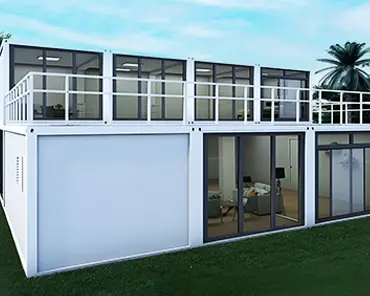
When choosing between porta cabins and traditional buildings, several factors come into play, including cost, time, flexibility, and long-term usage. Both options have unique benefits, and the decision largely depends on your specific requirements. Porta cabins are known for their portability and quick setup, making them ideal for temporary or semi-permanent needs. On the other hand, traditional buildings offer a sense of permanence and can be customized extensively. Let’s compare these two options to help you decide which is the right choice for your project.
Table of Contents
Cost Comparison
One of the biggest differentiators between porta cabins and traditional buildings is cost.
Porta Cabins:
Porta cabins are significantly more affordable upfront. Their prefabricated nature reduces material costs, and the construction process is less labor-intensive. Additionally, their modular design makes them reusable for multiple projects, saving money in the long term.
Traditional Buildings:
Traditional buildings come with higher costs due to the need for extensive materials like steel frame/cable trays, labor, and site preparation. They often involve unexpected expenses during construction, making budgeting a challenge.
If you’re looking for a cost-effective solution, porta cabins are the clear winner.
Construction Time
The time required to build a structure can have a major impact on project timelines.
Porta Cabins:
Porta cabins are prefabricated in factories and assembled on-site, significantly reducing construction time. Most porta cabins can be ready for use within days or weeks, depending on size and complexity.
Traditional Buildings:
Traditional construction can take months or even years, as it involves foundation work, framing, and finishing. This extended timeline may delay project completion and increase costs.
Flexibility and Portability
Flexibility is a key advantage of porta cabins, making them suitable for dynamic environments.
Porta Cabins:
Porta cabins are portable, allowing you to relocate them as needed. Their modular design makes it easy to expand or modify the structure based on evolving requirements.
Traditional Buildings:
Traditional buildings are fixed structures that cannot be moved once completed. While they can be modified, it often involves significant cost and effort.
Porta cabins excel in flexibility and adaptability, making them ideal for temporary or evolving needs.
Durability and Longevity
Durability is an important consideration for long-term projects.
Porta Cabins:
Modern porta cabins are built with high-quality materials like steel and composite panels, ensuring durability. However, they are typically designed for short- to medium-term use and may not last as long as traditional buildings under continuous use.
Traditional Buildings:
Traditional buildings are constructed with permanent materials like brick, concrete, and stone, providing superior longevity. They are better suited for projects requiring structures to last for decades.
If permanence and durability are top priorities, traditional buildings may be the better option.
Sustainability
Environmental considerations are becoming increasingly important in construction.
Porta Cabins:
Porta cabins are eco-friendly due to their prefabricated nature, which minimizes construction waste. Additionally, many modern porta cabins use recyclable materials and energy-efficient designs.
Traditional Buildings:
While traditional buildings can incorporate sustainable features, the construction process often generates more waste and consumes more resources.
For a greener approach, porta cabins are a more sustainable option.
Customization Options
Both porta cabins and traditional buildings offer customization, but the extent and cost vary.
Porta Cabins:
Porta cabins can be tailored to specific needs, such as adding insulation, air conditioning, or partitioning. However, customization is somewhat limited compared to traditional buildings.
Traditional Buildings:
Traditional buildings offer virtually unlimited customization possibilities, from architectural design to interior layouts. This makes them ideal for projects where aesthetics or complex functionality is essential.
If you need a fully customized solution, traditional buildings provide greater flexibility.
Applications
The choice between porta cabins and traditional buildings often depends on the intended use.
Porta Cabins:
Ideal for temporary offices, worker accommodations, storage units, first aid stations, and classrooms. They are especially suited for industries like construction, disaster relief, and events.
Traditional Buildings:
Better for permanent homes, large-scale offices, retail spaces, and institutions where long-term stability is required.
Matching your application to the right type of structure is critical for achieving optimal results.
Conclusion: Which One Should You Choose?
The decision between porta cabins vs. traditional buildings depends on your specific needs:
- Choose porta cabinsif you value affordability, quick setup, flexibility, and sustainability.
- Opt for traditional buildingsif durability, permanence, and extensive customization are your priorities.
By carefully evaluating your project’s requirements, you can make an informed choice that balances cost, functionality, and long-term value.