
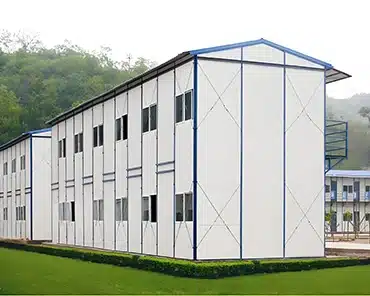
Porta cabins are practical solutions, but they come with some limitations. Learn about the key disadvantages of a porta cabin here.
Introduction
Porta cabins, also known as portable cabins or modular buildings, have become popular for their affordability, flexibility, and quick installation. However, like any construction solution, porta cabins are not without their drawbacks. Understanding the disadvantages of a porta cabin is crucial to making an informed decision. This article explores the limitations of porta cabins, helping you assess whether they align with your specific needs.
Table of Contents
Limited Durability
One of the primary disadvantages of a porta cabin is its limited durability compared to traditional buildings.
- Shorter Lifespan:While high-quality porta cabins can last 10–25 years, this is significantly less than the decades-long lifespan of permanent structures.
- Susceptible to Wear and Tear:Porta cabins used in harsh environments or for heavy-duty purposes may degrade faster.
- Material Constraints:Materials like steel and wood, commonly used in porta cabins, can succumb to corrosion, warping, or rust without proper maintenance.
For long-term projects requiring robust structures, porta cabins may not be the most suitable choice.
Limited Customization Options
While porta cabins can be tailored to some extent, they lack the extensive customization flexibility of traditional buildings.
- Fixed Designs:Prefabricated porta cabins often come in standard sizes and layouts, restricting creative or unique architectural designs.
- Structural Constraints:Modifications like adding multiple floors or large extensions may not be feasible without compromising stability.
- Aesthetic Limitations:Porta cabins often have a utilitarian appearance, which may not suit projects requiring a high level of visual appeal.
This limitation makes them less ideal for projects where design aesthetics or complex functionality are priorities.
Insulation and Temperature Control Issues
Maintaining a comfortable interior environment can be a challenge with porta cabins.
- Heat Retention:In extreme temperatures, porta cabins can become too hot or too cold due to less effective insulation.
- Energy Efficiency:Porta cabins may require additional heating or cooling systems, increasing energy consumption.
- Condensation Risks:Poor insulation can lead to condensation, which may damage interior surfaces or promote mold growth.
These issues can be mitigated with higher-quality insulation, but at an added cost.
Vulnerability to Weather Conditions
Porta cabins are generally designed for temporary or semi-permanent use, which means they may struggle in extreme weather conditions.
- High Winds:Porta cabins can be susceptible to structural instability in high-wind areas if not anchored securely.
- Heavy Rainfall:Poorly sealed cabins may develop leaks, damaging interiors and compromising their usability.
- Snow Loads:In regions with heavy snowfall, roofs may require reinforcement to prevent collapse.
For projects in extreme climates, additional reinforcements may be necessary, which can raise costs.
Perceived Lack of Permanence
The very nature of porta cabins as temporary structures can be seen as a disadvantage in certain scenarios.
- Lower Property Value:Porta cabins are not considered permanent assets, which may affect resale or rental value for property owners.
- Regulatory Limitations:Some regions have zoning laws or building codes that restrict the use of porta cabins for long-term purposes.
- Professional Perception:In certain industries, using porta cabins may convey a less professional or prestigious image compared to traditional buildings.
These factors can make porta cabins less appealing for businesses or organizations seeking a more permanent presence.
Maintenance Requirements
Although porta cabins are low-maintenance compared to traditional buildings, neglecting basic upkeep can lead to significant problems.
- Frequent Inspections Needed:Regular checks for rust, leaks, or structural issues are necessary to avoid costly repairs.
- Material-Specific Challenges:Steel cabins require anti-corrosion treatments, while wooden cabins need protection against termites and rot.
- Short-Term Repairs:Porta cabins may require periodic repairs, which can add to overall costs over time.
Failing to maintain porta cabins properly can shorten their lifespan and reduce functionality.
Limited Space
Porta cabins are typically smaller and less spacious than traditional buildings, which can pose challenges for larger-scale applications.
- Capacity Constraints:They may not accommodate large groups or extensive equipment storage effectively.
- Expansion Limits:Adding space to a porta cabin often requires additional units rather than seamless integration.
For projects requiring significant space or expansion capabilities, porta cabins may not be the best fit.
Conclusion
While porta cabins offer numerous advantages, it’s essential to consider their limitations. The disadvantages of a porta cabin—including limited durability, customization challenges, insulation issues, and vulnerability to weather—make them less suitable for certain projects.
However, with proper planning, high-quality materials, and regular maintenance, many of these drawbacks can be minimized. Porta cabins remain a practical solution for short-term or semi-permanent needs, especially when cost, portability, and quick installation are top priorities. By weighing the pros and cons, you can determine whether a porta cabin is the right choice for your specific requirements.
What Are the Benefits of a Porta Cabin?