
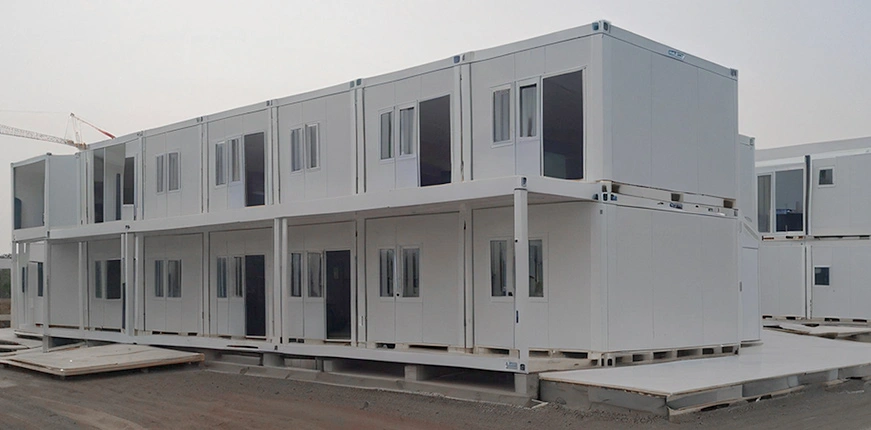
Porta cabins offer incredible versatility, making them popular for various applications, from office spaces to temporary shelters. However, selecting the right one for your needs requires careful consideration. In this guide, we’ll walk you through the essential factors to help you choose the perfect porta cabin, ensuring that it meets your specific requirements.
Table of Contents
Assessing Your Porta Cabin Requirements
Understanding the Purpose of the Porta Cabin
The first step in choosing the right porta cabin is understanding its intended purpose. Are you looking for a temporary office, a storage unit, or perhaps a retail shop? Porta cabins come in various configurations, and selecting one depends heavily on the specific functions it will serve.
For example:
- Office Porta Cabins often include electrical systems, partitions, and furnishings to create a comfortable workspace.
- Storage Cabins focus on secure and weather-resistant designs to protect materials and equipment.
- Living Spaces will require additional amenities like plumbing, insulation, and climate control.
By identifying your needs early, you can choose the right cabin configuration that maximizes efficiency.
Determining Size and Space Needs
Size is another crucial factor. Porta cabins come in various sizes, ranging from small single units to larger multi-room configurations. Consider how much space you’ll need, the number of occupants, and any additional equipment or furniture you might install.
For instance:
- Small cabins (e.g., 10ft x 8ft) are ideal for guard booths or single-person offices.
- Larger cabins (e.g., 40ft x 12ft) are better suited for living quarters or multiple office spaces.
Ensuring you choose the right size not only improves functionality but also helps with space management and future expansion needs.
Choosing the Right Material
Steel Porta Cabins
Steel porta cabins are renowned for their durability and strength. They are ideal for locations with harsh weather conditions or where additional security is required. Steel cabins offer excellent resistance to corrosion and require minimal maintenance.
However, steel can be a poor insulator, so you might need additional insulation depending on the climate. Steel porta cabins are also heavier, impacting transportation costs.
Wooden Porta Cabins
Wooden porta cabins are popular for residential use due to their natural aesthetics and good insulation properties. They are a great choice for warmer climates as wood stays cool, and the natural material is sustainable and eco-friendly.
However, wooden cabins may require more maintenance than steel or composite options, particularly in wet climates where moisture can cause rot if not properly treated.
Composite Material Porta Cabins
Composite materials, like fiber-reinforced polymers, offer a balance between strength and insulation. These cabins are lighter than steel and often come with integrated insulation, making them energy-efficient.
They are perfect for remote locations where transporting heavy materials might be a challenge. Composites also resist corrosion, though they might be more expensive than traditional materials.
Considering Environmental Factors
Climate and Weather Conditions
Climate plays a significant role in choosing the right porta cabin. If you’re in a region with extreme temperatures, ensure the porta cabin is properly insulated to maintain a comfortable indoor environment. In colder climates, additional heating and insulation may be necessary. In contrast, for hot or tropical regions, prioritize ventilation and air conditioning to keep the interior cool.
Portability and Site Access
Consider how easily the porta cabin can be transported and set up at the site. If the location is remote or hard to access, lightweight materials or smaller cabins might be more practical. Evaluate whether the porta cabin needs to be relocated frequently, and choose a model that supports easy disassembly and transportation.
Budgeting for Your Porta Cabin
Understanding Price Factors
Porta cabin prices vary widely based on factors such as size, material, customization, and additional features. Here’s a rough breakdown of what influences the cost:
- Material: Steel cabins are generally more expensive than wooden or composite cabins.
- Size: Larger cabins naturally cost more due to the additional materials and manufacturing required.
- Custom Features: Features like air conditioning, plumbing, or reinforced doors add to the overall cost.
Renting vs. Buying a Porta Cabin
Consider whether renting or buying is more cost-effective for your situation. Renting might make sense for short-term needs, such as events or temporary housing during a project. However, for long-term use, purchasing a cabin could offer better value.
Customization and Add-Ons
Customizing Interiors for Comfort and Functionality
One of the great advantages of porta cabins is their ability to be customized. Depending on your use, you may want to add interior features like:
- Partitions to create separate rooms or offices.
- Climate control systems, such as air conditioning or heating.
- Plumbing for restrooms, kitchens, or showers in residential cabins.
- Lighting and electrical outlets for office or retail setups.
These features can greatly enhance the functionality of the cabin and ensure it meets your specific needs.
Security Features and Upgrades
For security-sensitive applications, such as guard booths or storage units, consider additional security features. Reinforced doors, alarm systems, and CCTV installations can provide peace of mind.
Legal and Regulatory Considerations
Building Permits and Zoning Laws
Before purchasing or installing a porta cabin, it’s essential to check local building codes and zoning laws. Some areas have specific regulations regarding portable structures, particularly if they are being used for residential or commercial purposes.
For example, the International Building Code (IBC) outlines guidelines for portable and temporary structures, ensuring safety and structural integrity.
Compliance with Safety Standards
Make sure the porta cabin complies with safety standards, such as fire regulations, electrical wiring, and sanitation requirements. The Occupational Safety and Health Administration (OSHA) provides guidelines for portable structures used on construction sites, ensuring they meet proper health and safety standards.
Conclusion
Choosing the right porta cabin is a decision that depends on multiple factors, including its intended purpose, size, material, and budget. Additionally, environmental conditions, site access, and legal regulations should be considered to ensure a smooth and efficient process. Whether you’re looking for a temporary office, a storage unit, or a long-term living space, the right porta cabin will offer the flexibility and functionality you need.
Related Articles
Top Porta Cabins Suppliers Worldwide: A Comprehensive Guide
Introduction to Porta Cabins: Types, Uses, and Benefits