
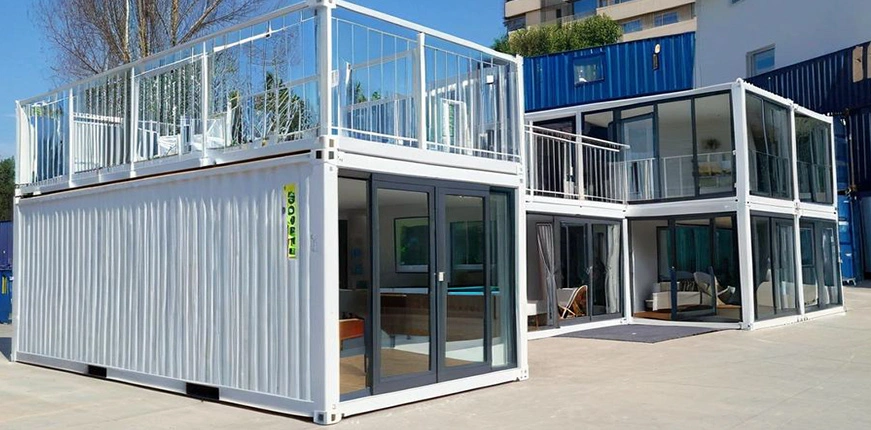
Transporting and installing porta cabins require careful planning to ensure a smooth process from start to finish. These mobile structures are highly versatile, but their successful delivery and setup depend on various logistical and regulatory factors. In this guide, we will explore the key considerations for transporting and installing porta cabins, helping you avoid potential delays and ensuring everything goes as smoothly as possible.
Installation Guideline
Table of Contents
Key Factors in Porta Cabin Transportation
Size and Weight Considerations
The size and weight of your porta cabin are critical factors in transportation logistics. Larger porta cabins require more complex transport solutions, such as specialized trailers or flatbed trucks, which may require additional planning for safe transport.
- Larger units may need to be transported in sections and assembled on-site to avoid issues with road width restrictions.
- Weight limits on certain roads or bridges must also be considered, and overweight loads may require special permits or escorts during transport.
Smaller cabins or lightweight models made from composite materials are easier and less costly to transport, but still require proper handling to avoid damage.
Distance and Transport Route
The distance from the factory to the installation site affects both the cost and the logistics of transportation. Longer distances may involve crossing different regions or countries, each with its own road regulations and restrictions. Additionally, some routes may present challenges such as narrow roads, bridges, or tunnels that may not accommodate larger porta cabins.
Before transport, it’s crucial to plan the route carefully, taking into account any limitations on the size or weight of vehicles that can travel on certain roads.
Legal and Regulatory Requirements
Permits for Transportation
When transporting a porta cabin, it’s essential to check the legal requirements for oversized loads. In many countries, transporting large structures like porta cabins requires permits, especially if the dimensions exceed standard road limits. The requirements for these permits may vary based on the region, the size of the cabin, and the roads being used.
Make sure to:
- Apply for necessary oversize load permits well in advance.
- Coordinate with local authorities for any road closures or escorts that may be needed for larger cabins.
Site Zoning and Compliance
Once the cabin arrives at its destination, it must comply with local site zoning and building regulations. Zoning laws dictate where portable structures can be installed and how they should be used. Before installation, check the local zoning requirements to ensure the site is approved for the type of use intended for the porta cabin, whether it’s residential, commercial, or industrial.
Local authorities may also require building permits before installation, especially if the porta cabin will be used for long-term purposes or as a habitable space. Non-compliance with zoning laws could result in fines or forced relocation.
Preparing the Site for Installation
Site Assessment and Foundation Requirements
The first step in installing a porta cabin is preparing the site. This includes ensuring that the ground is level and that there’s sufficient space for the cabin. In some cases, site preparation may involve clearing vegetation, leveling the ground, or even constructing a foundation for the cabin to rest on.
- Foundation types: While smaller porta cabins may only need a simple foundation such as concrete blocks, larger or heavier cabins often require a more solid foundation, such as a concrete slab, to ensure stability.
- Soil assessment: Depending on the local environment, a soil assessment may be necessary to ensure the ground can support the weight of the cabin.
Access and Clearance
Ensure that the installation site has clear access for trucks and cranes. This involves:
- Wide access roads: Verify that trucks transporting the cabin can easily navigate the roads leading to the site.
- Sufficient clearance: Check that there are no low-hanging power lines, trees, or other obstacles that could interfere with the cabin being lifted into position.
Installation Methods and Techniques
Crane and Lift Requirements
Most porta cabins, especially larger ones, require cranes or other heavy equipment to lift and position them at the site. The size of the cabin and its weight will determine the type of lifting equipment needed.
- Small cabins may only need a small crane or forklift to lift into place.
- Large cabins or multi-unit setups might require larger cranes, which involve additional logistical planning and increased costs.
Working with experienced professionals who are familiar with lifting and positioning porta cabins ensures the installation is carried out safely and efficiently.
On-Site Assembly and Connections
Once the cabin is in place, it may require additional assembly, especially if it was transported in sections. On-site assembly involves connecting different sections, securing the cabin to its foundation, and ensuring that all doors and windows are properly installed.
In addition to assembly, connecting utilities like electricity, plumbing, and HVAC systems is essential for making the cabin functional. Local electricians and plumbers may need to be involved to ensure the setup meets local building codes and safety standards.
Common Challenges in Transportation and Installation
Weather Conditions and Terrain
Weather conditions can significantly impact both transportation and installation. High winds, heavy rain, or snow can delay the transport of the cabin or make installation unsafe. It’s important to monitor the weather forecast and plan accordingly, allowing extra time for potential weather-related delays.
The terrain of the installation site can also pose challenges. Uneven or soft ground can make it difficult to transport and position the cabin. In such cases, additional site preparation or equipment may be needed to ensure safe delivery.
Timing and Coordination
Coordinating transportation and installation teams can be challenging, especially for larger projects. Ensure that all teams are aligned in terms of timing so that the cabin can be installed as soon as it arrives on-site. Delays in one aspect of the process could result in increased costs and complications, so effective communication and scheduling are crucial.
Tips for Smooth Porta Cabin Transportation and Installation
Choose the Right Transport Partner
Selecting a transport company with experience in handling porta cabins is essential. A reliable transport partner will help manage permits, plan routes, and ensure the cabin is handled properly during transit. Look for companies that have a track record of successfully transporting large, prefabricated structures.
Plan for Delays and Contingencies
When scheduling transportation and installation, it’s wise to build in some buffer time to account for unexpected delays, such as weather issues, traffic, or permit problems. Having a contingency plan in place will help minimize disruptions to the overall project timeline.
- Prepare alternative routes if certain roads are blocked.
- Have a backup plan for installation equipment, such as cranes, in case of mechanical issues.
Conclusion
Successful transportation and installation of porta cabins require careful planning, coordination, and adherence to legal requirements. By considering factors such as cabin size, permits, site preparation, and the weather, you can ensure a smooth process from start to finish. Whether you’re installing a small guard booth or a multi-room office cabin, working with experienced professionals and preparing for potential challenges will protect your investment and prevent costly delays.
Reference Articles: